On 23rd June every year, the world pauses to remember and honour widowed persons and their children — a vulnerable group often overlooked despite their sheer numbers and profound struggles. This year’s International Widows Day theme, “Orphans in Need,” casts a critical spotlight on the intertwined vulnerabilities that widows and orphaned children face in Kenya and beyond. It is a clarion call to recognise not only their loss but the systemic barriers that deny them justice, security, and hope for a better future.
According to the 2022 Kenya Demographic and Health Survey (KDHS), Kenya is home to approximately 2.2 million orphaned children — 7.6% have lost one parent, while 1.1% have lost both. Many of these children are under the care of widows who bear the burden of grief alongside economic insecurity and social exclusion. The National Gender and Equality Commission (NGEC), the constitutional body mandated to promote gender equality and nondiscrimination, has unequivocally joined the voices advocating for urgent action to protect this fragile demographic.
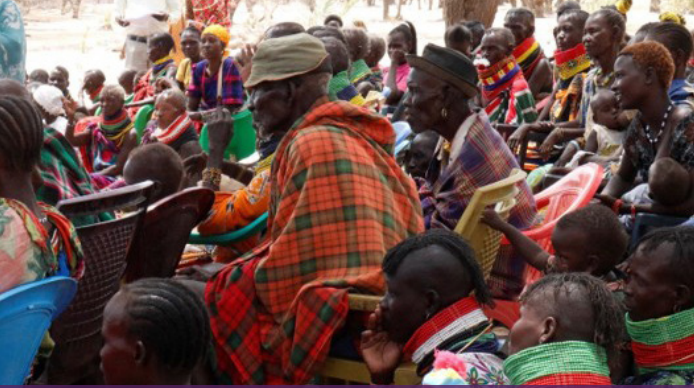
Widowed women in Kenya frequently encounter a cascade of challenges, including discriminatory cultural practices, loss of property, eviction from matrimonial homes, and exclusion from formal economic resources. “Widows often lose not only their spouses but also their homes, land, and dignity,” explains Nzomo Mbithuka, Acting Chairperson of NGEC. “Their children suffer the consequences — dropping out of school, malnutrition, trauma, and vulnerability to abuse.”
Despite constitutional guarantees — notably Articles 27, 43, and 53 of the Constitution of Kenya 2010 — which enshrine rights to equality, inheritance, education, healthcare, and protection, many widows remain marginalized. The National Gender and Equality Commission’s extensive research reveals that only a small fraction of land titles are jointly held by women. This exclusion severely limits widows’ control over family resources and their ability to provide for orphaned children.
In many rural and urban communities, harmful cultural norms perpetuate this cycle of dispossession. Widows are stigmatized, pressured into harmful rites, or denied guardianship of their children. The absence of organised widow networks further weakens their collective voice to demand justice or access devolved social funds.
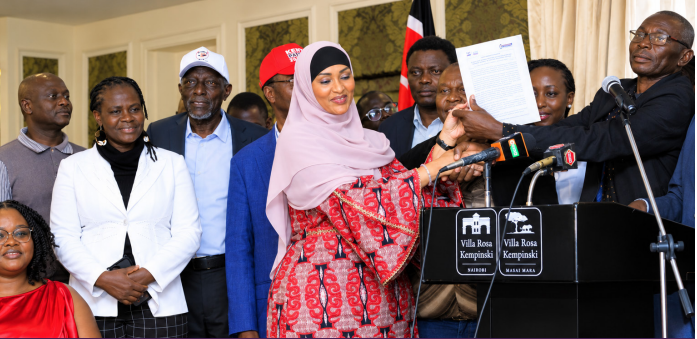
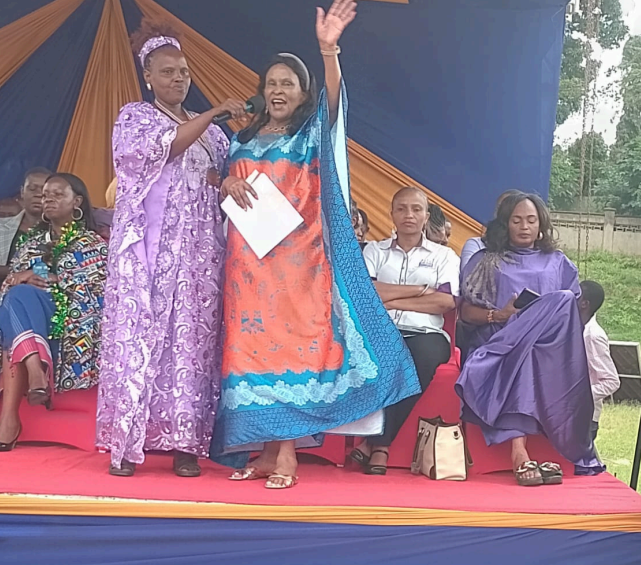
This year’s International Widows Day was marked with significant activities across Kenya. At Bugo Primary School in Nyamira County, over 7,000 widows from counties including Nyamira, Kisii, Homa Bay, Kisumu, and Kericho gathered in a powerful demonstration of solidarity. The event, graced by H.E. Rachel Ruto, Kenya’s First Lady, focused on providing legal aid and empowering widows to claim their rights. Commissioner Michael Nzomo underscored the need for systemic change: “Legal protections exist, but enforcement remains weak. We must strengthen access to justice and reform laws to protect widows and their children.”
In Kilifi County, Dr. Karungaru joined community efforts to commemorate the day, highlighting the persistent barriers widows face and the collective responsibility to uphold their dignity and rights.
As Kenya marks this solemn day, the stories of widows and orphans serve as a powerful reminder of the unfinished journey toward equality and justice. The challenge now is for the nation—its government, communities, and citizens—to transform legal promises into lived realities, ensuring that widows and their children can not only survive but thrive with dignity and hope.
The National Gender and Equality Commission remains steadfast in advocating for the rights and dignity of widowed persons and orphaned children. As Acting Chairperson Nzomo Mbithuka articulates, “No widow should suffer injustice, and no child should grow up without protection, care, and the right to family.”
In a nation striving towards inclusive development and equality, recognising and addressing the plight of widows and orphans is both a moral imperative and a critical step towards a fairer society.